
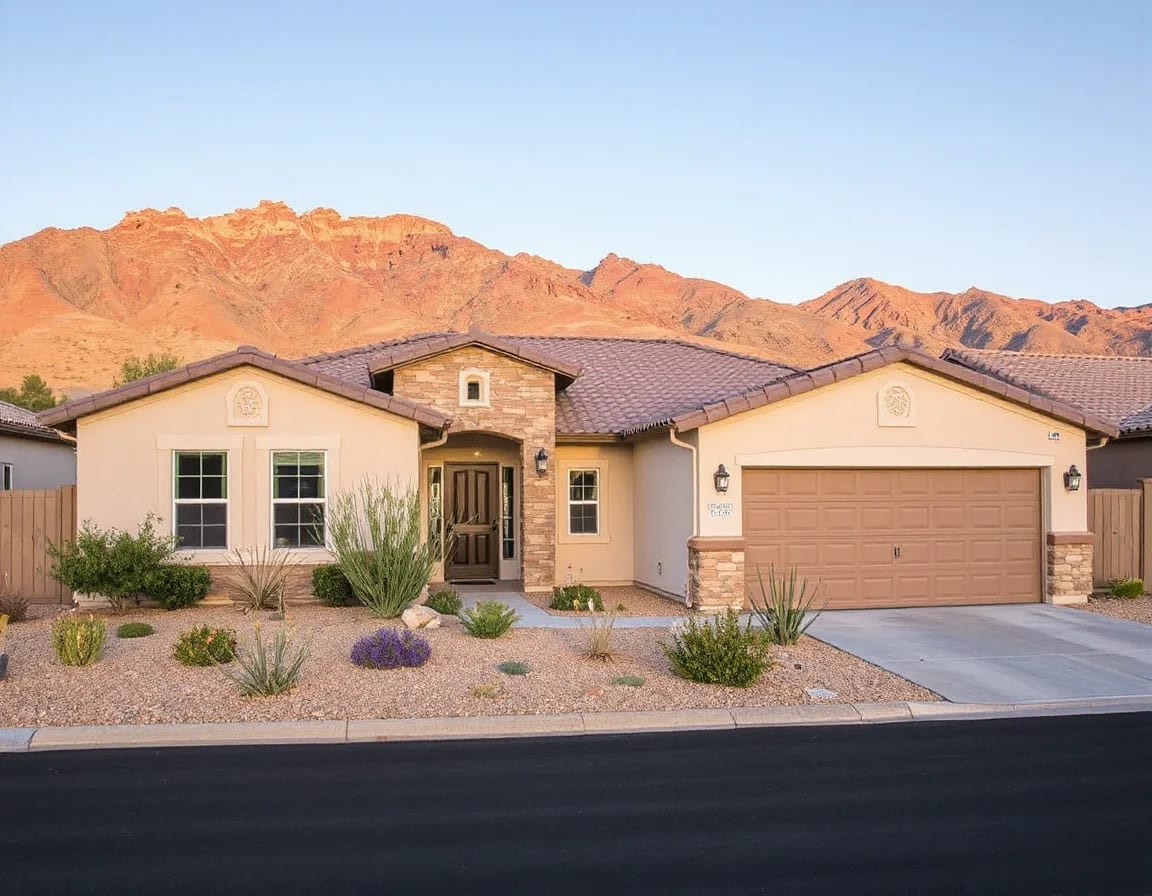
A VA loan can be a powerful way for eligible buyers to purchase in the Las Vegas Valley, often with no required down payment and flexible credit considerations. The strongest results come from pairing VA-specific preparation with a clear understanding of local inventory, appraisal standards, closing costs, and the property condition requirements that can affect a transaction.
Start With the VA Loan Basics
Buying a home with a VA loan is not simply a conventional purchase with a different lender form. It is a benefit backed by the U.S. Department of Veterans Affairs for eligible veterans, active-duty service members, qualifying surviving spouses, and certain members of the National Guard and Reserve. The loan itself is issued by a private lender, while the VA guarantee helps reduce lender risk and can make financing more accessible.
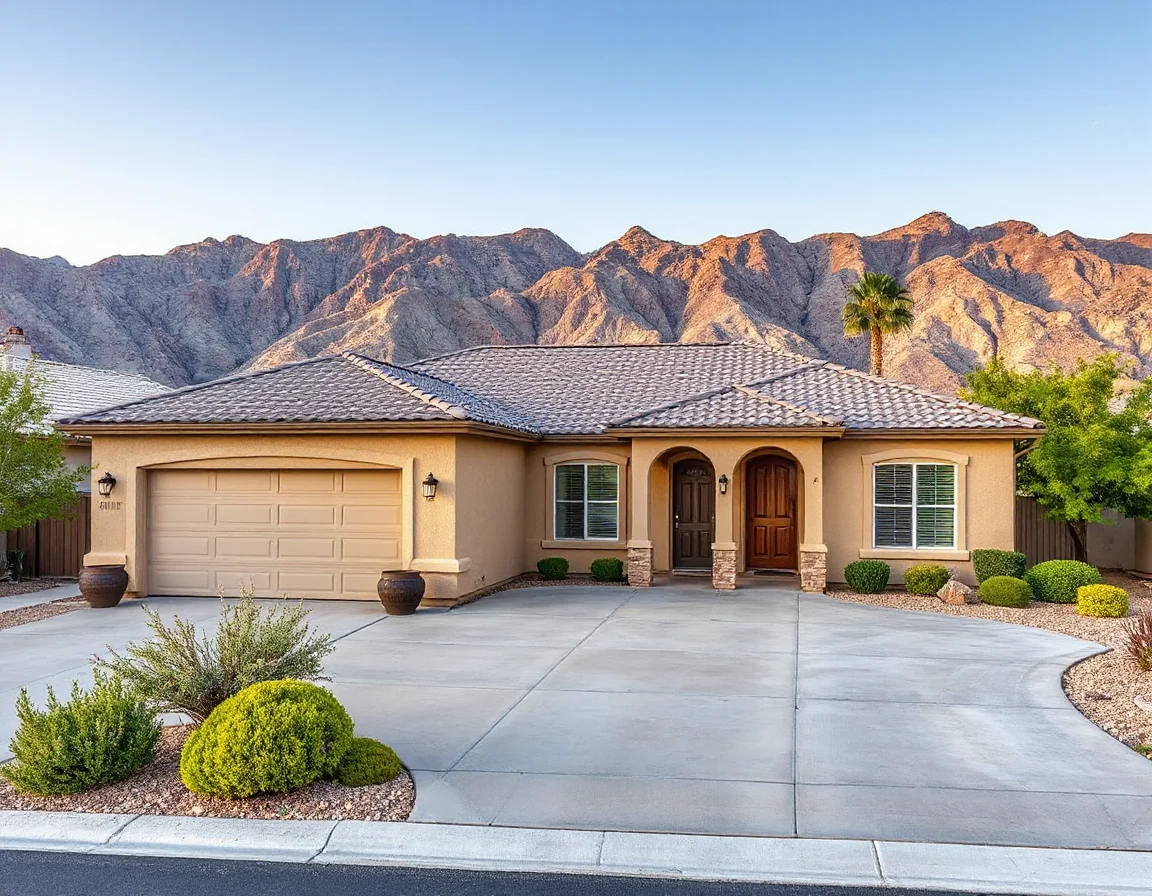
For many eligible buyers, the headline benefit is the possibility of purchasing with no required down payment. That does not mean a purchase has no upfront costs: buyers may still have earnest money, inspections, appraisal-related costs, prepaid items, and lender or title charges depending on the transaction. A lender can provide a Loan Estimate that separates those costs clearly before an offer is written.
The first practical step is obtaining a Certificate of Eligibility, often called a COE. Many VA-approved lenders can request it electronically, but it is useful to start early in case additional service documentation is needed. Eligibility, remaining entitlement, credit qualifications, income, assets, and occupancy requirements all matter. A VA loan is designed for a primary residence, so buyers should discuss their intended use of the property directly with their lender before searching.
In a competitive Las Vegas Valley offer, a current lender preapproval and a realistic estimate of closing funds can be as important as the purchase price.
VA loans may also include a funding fee, which can vary based on factors such as service history, prior VA loan use, and down payment amount. Some borrowers are exempt from the funding fee, including certain veterans receiving service-connected disability compensation. Because the rules and fees can change, a VA-experienced lender is the right source for a personalized estimate rather than relying on an old online calculator.
Match Your Search to the Las Vegas Valley Market
The Las Vegas Valley offers a wide range of home types, from established single-story properties and townhomes to newer construction communities, condos, and homes with pools. Henderson, Las Vegas, North Las Vegas, Seven Hills, and Cadence each present different inventory patterns, price points, HOA structures, and commuting considerations. The goal is not to chase a generic “best” area, but to compare properties based on your budget, preferred layout, monthly payment comfort, and daily needs.
A helpful VA home search starts with the full monthly cost. Along with principal and interest, account for property taxes, homeowners insurance, HOA dues when applicable, and any financing-related costs. In Southern Nevada, utility use can also vary meaningfully by home size, insulation, solar arrangement, pool equipment, and cooling system age. A lower list price does not always translate to a lower cost of ownership.
Property condition deserves close attention, especially in a desert climate. During showings and inspections, consider the age and condition of the HVAC system, roof, windows, water heater, irrigation components, pool equipment, and exterior drainage. Buyers should also review HOA documents where available, including monthly dues, transfer fees, reserve information, rental restrictions, and architectural guidelines. These are practical ownership considerations that can affect both the purchase decision and long-term planning.
Search Las Vegas Valley listings
New construction can be another option, but the financing timeline needs careful coordination. Builder incentives, preferred lenders, rate options, deposits, and completion estimates should all be reviewed before signing. A VA loan can be used for eligible new construction purchases, yet the appraisal, final inspection, and lender approval process still need to fit the builder’s schedule. Clear communication among the buyer, lender, agent, builder, and title team helps keep expectations aligned.
Understand the VA Appraisal and Property Standards
The VA appraisal has two jobs: to provide an opinion of value and to evaluate whether the property appears to meet the VA’s Minimum Property Requirements. This is not the same thing as a buyer’s home inspection. An appraisal is not a detailed evaluation of every component, while an inspection is a more thorough opportunity to understand the home’s condition and anticipated maintenance needs.
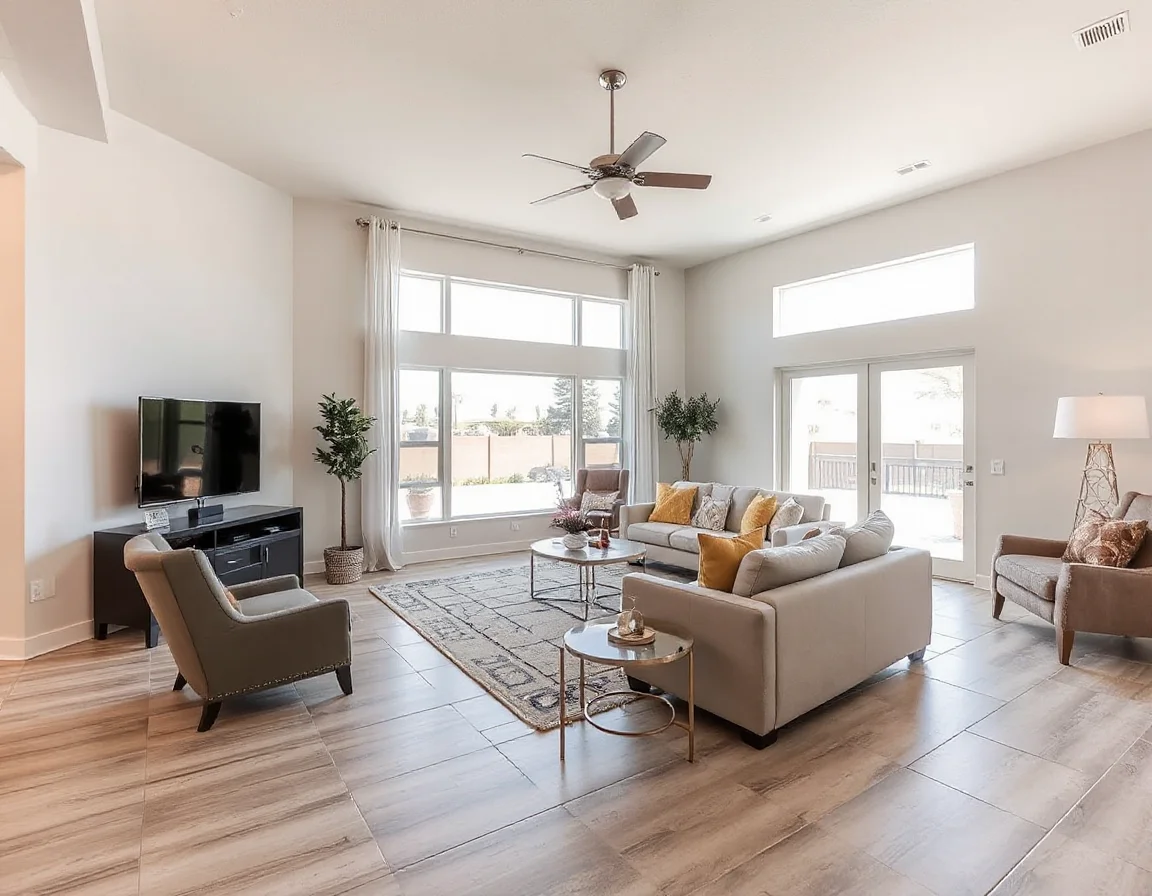
Appraisers may flag issues that affect safety, structural soundness, or basic livability. Examples can include peeling paint on older homes, exposed wiring, roof concerns, missing handrails where needed, broken windows, or inoperable systems. Not every cosmetic issue will delay a VA loan, but repairs identified by the appraiser may need to be completed before closing. This is one reason an early, careful look at condition is valuable when evaluating a listing.
If the appraised value comes in below the contract price, the transaction does not automatically end. The buyer and seller can renegotiate the price, the buyer can bring funds to cover some or all of the difference if permitted and financially appropriate, or the parties can consider other solutions. VA buyers commonly receive a VA escape clause in their contract, which helps ensure they are not obligated to complete the purchase at a price above the appraised value.
It is also important to distinguish between allowable seller-paid costs and a request for repairs. In some transactions, a seller may agree to cover certain closing costs or concessions within VA guidelines. That can reduce a buyer’s cash needed at closing, but it should be negotiated thoughtfully and documented correctly. An experienced local agent and lender can structure an offer that is competitive while keeping the financing terms understandable.
The cleanest VA transactions usually begin with realistic pricing, a complete preapproval, and a property condition review before the offer is submitted.
Build a Strong Offer Without Losing Sight of the Numbers
VA financing is widely used and well understood by many sellers, listing agents, lenders, and title professionals throughout the Las Vegas Valley. Still, a buyer’s offer should communicate readiness. A solid preapproval letter, a reasonable closing timeline, clear financing terms, and prompt responses during due diligence all help present an organized purchase plan.
Before making an offer, review recent comparable sales with your agent and consider the home’s condition, upgrades, location, HOA obligations, and days on market. The highest offer is not always the strongest choice for a buyer. Terms such as inspection timing, appraisal strategy, seller-paid costs, and the ability to close on schedule can have a meaningful impact. The best approach is one that respects your financial comfort level while responding to the specific property and market conditions.
For buyers using a VA loan, local expertise can be especially useful when a transaction involves an appraisal repair request, a condo approval question, a foreclosure, or a short-sale timeline. These situations are manageable, but they benefit from early attention and consistent communication. Anne Tamar Guzman and Platinum Real Estate Professionals bring experience with VA transactions as well as the Las Vegas and Henderson markets, helping buyers keep the moving pieces organized from search through closing.
Talk with Anne about your home search
A Confident Path From Eligibility to Closing
A VA loan can open a practical path to ownership in the Las Vegas Valley, but it works best when the financing plan, home search, and property evaluation move together. Start with a VA-savvy lender, confirm your purchasing range, and focus on homes that support both your daily needs and your long-term budget. With careful preparation, the VA benefit can help turn a well-chosen local property into a place to call home.